Firstly, I will admit that before I became a dyslexia assessor, I knew very little about dyspraxia. What was once called ‘clumsy child syndrome’ is now thought to affect around 3% of adults in the UK and is more common in men and runs in families (NHS, 2014)
Dyspraxia, or DCD (Developmental Coordination Disorder) as it’s also known, is a SpLD that affects movement and coordination. Difficulties may also be experienced with concentration, short term memory and organisational skills.
Dyspraxia is poorly understood compared to other SpLDs such as dyslexia and this therefore means that many people go through life not being fully aware of why they find certain things difficult. According to the Dyspraxia Foundation (2014), an undiagnosed dyspraxic child is 5 times more likely than a neurotypical child to suffer mental health problems by the age of 16.
Through my assessment work I have seen a large number of adults who think they are dyslexic but who are in fact dyspraxic. This is mainly due to the fact that both SpLDs share common areas of difficulty with working memory, speed of processing, organisation and structuring written text (to name a few). It is important that I mention that my assessments don’t diagnose dyspraxia but points out the dyspraxic tendencies that suggest that this may be the case. I then suggest that a full diagnosis is made by a GP who then may make a referral to a physiotherapist or occupational therapist.
It’s an area that fascinates me and this year, I will certainly be looking into it further.
Did you know?
- There are links between premature births and dyspraxia
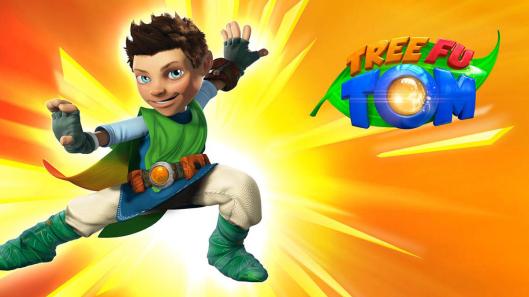
- The Cbeebies show Tree Fu Tom was developed in conjunction with the Dyspraxia Foundation in order to help dyspraxic children improve their motor skills.
- Harry Potter star Daniel Radcliffe has dyspraxia and he still finds it difficult to tie his shoelaces. He said (2014) “Do not let it stop you […]. The fact that some things are more of a struggle will only make you more determined, harder working and more imaginative in your solutions you find to problems”
To book an adult dyslexia assessment (South East Wales region):
Email: wild.assessments@gmail.com
Phone: 07790 666650
Facebook: Wild Assessments
 wildassessments.com